


Compact Homes
Start here for flats, smaller homes and installations where cupboard space is limited.
Models to compare
Whole-home limescale protection
A water softener removes the calcium and magnesium that cause hard-water scale, helping protect your boiler, appliances, taps and shower screens. Compare electric, non-electric and twin-cylinder systems for different household demands.
These routes are useful starting points, but final sizing must also account for water hardness, peak flow, bathroom use and installation space.
Start here for flats, smaller homes and installations where cupboard space is limited.
Models to compareOptions suited to ordinary household demand, subject to hardness and bathroom usage.
Models to compareHigher-capacity systems for larger families and homes with greater daily water use.
Models to compareFor multiple bathrooms, powerful showers or frequent simultaneous water demand.
Models to compareCheck your hardness, bathroom demand, flow rate and available space before choosing. The buying guide explains each step clearly.
Mechanically metered systems powered by water pressure, with no nearby electrical socket required.
Electronically controlled systems offering programmable settings, displays and, on some models, smart monitoring.
Alternating cylinders can maintain softened-water availability while one cylinder regenerates.


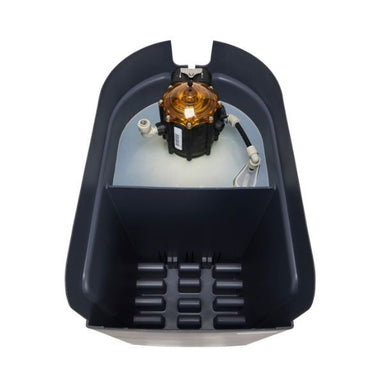
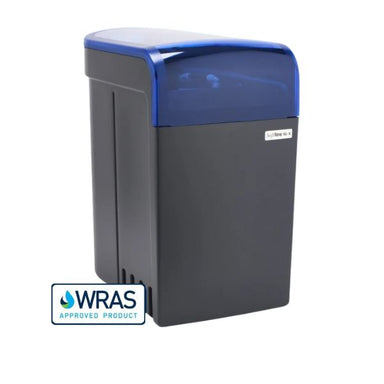
Scalemaster® Softline® High-Performance Non-Electric System Keep Your Home Spotless & Limescale-Free with the Reliable Scalemaster SL-X Pro...
View full details
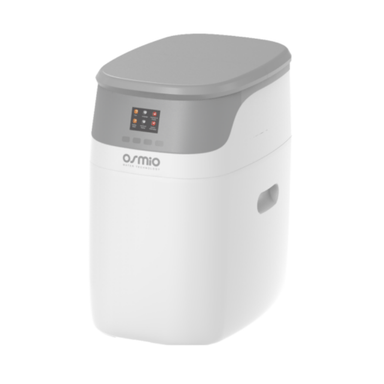
Compact metered water softener Digital control in a space-conscious cabinet The Osmio 9L Digital Water Softener is designed for mai...
View full details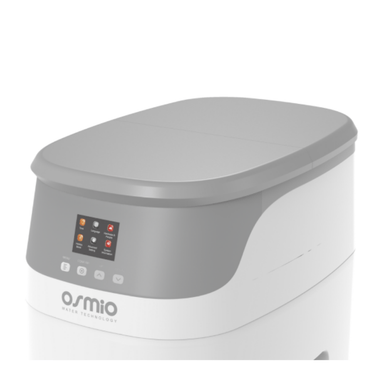
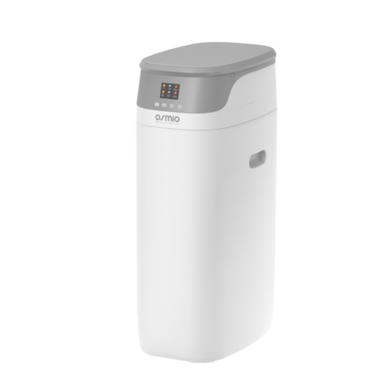
Efficiently Eliminate Hard Water for a Softer Touch Advanced Metered System for Optimal Performance Experience Soft Water Luxury with the Osmi...
View full details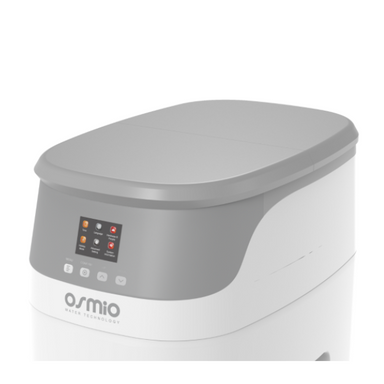
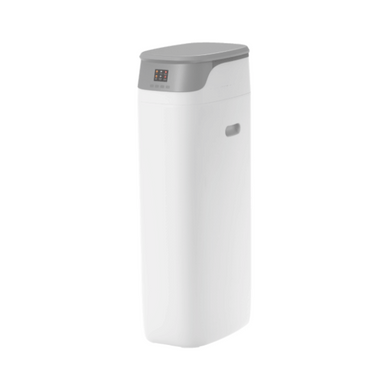
Efficiently Eliminate Hard Water for a Softer Touch Powerful, Efficient Water Softening for the Whole Home Eliminate limescale and enjoy softe...
View full details
Tapworks NSC14PRO High-Capacity Water Softening for Larger Family Homes Designed for households of up to nine people, with a powerful 53 litre...
View full details
Experience Superior Water Softening Technology Advanced Metered System for Optimal Performance The Ruby Luxury Water Softener is a cutting-edg...
View full details
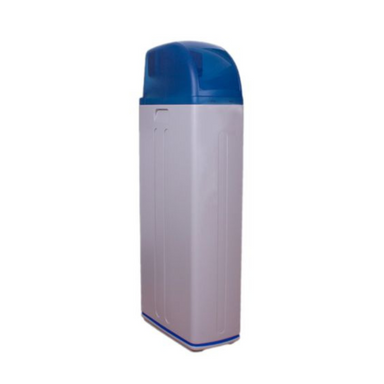
Water Softening Made Easy and Reliable Advanced Metered System for Optimal Performance The Ruby Luxury Water Softener is a cutting-edge, meter...
View full details
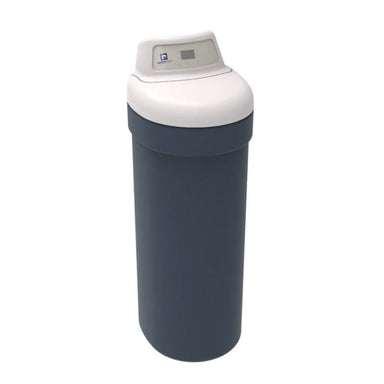
Enhance Your Business Efficiency with a High-Capacity Commercial Water Softener Transform your business’s water supply with our High-Capacity ...
View full details
Kinetico SuperSoft Pro · Non-electric twin-tank water softener High-flow soft water for larger and busier homes The Kinetico SuperS...
View full details
World Class Water 1650 Higher-Capacity Water Softening for Larger Households A 16-litre metered cabinet wate...
View full details
World Class Water 1050LL Automatic Water Softening for Everyday Whole-Home Protection A metered domestic water softener designed to reduce har...
View full details
Elvion Neo 35L · Meter-controlled water softener High-capacity water softening for businesses and very large homes The Elvio...
View full detailsThe best system is not automatically the largest or most expensive. It should match the hardness load and peak water demand of your home while fitting the intended installation position.
Check typical local hardness, understand sizing and compare under-sink, utility-room, garage and protected outdoor installation options.
Open the buying and installation guide →Learn where scale builds up, how it can affect heated appliances and why preventing new deposits can reduce cleaning and maintenance.
Read the limescale and appliance guide →Sizing depends on household water use, local hardness, number of bathrooms, peak flow demand and the capacity of the softener at that hardness. Occupant numbers provide a useful starting point but should not be used alone.
An ion-exchange water softener removes the calcium and magnesium that create hardness, preventing new hard-water scale from forming in the softened supply. It is not an instant chemical descaler for existing heavy deposits.
Electric softeners use an electronic controller and require a power supply. Non-electric systems typically use a mechanical meter driven by water flow. Both can be demand-metered; suitability depends on the model, household and installation position.
A twin-cylinder system alternates between resin tanks. This can provide softened-water availability while one cylinder regenerates, making the format useful for homes with continuous or higher demand.
Common locations include beneath a kitchen sink, in a utility room, garage or another position close to the incoming mains. The installation needs suitable inlet and outlet pipework, a drain connection, an overflow route and frost protection. Electric models also require power.
Many households use softened water throughout the home, but the appropriate drinking-water arrangement depends on installation design, household circumstances and applicable guidance. Some customers retain an unsoftened kitchen drinking tap or use a separate drinking-water filter. Ask your installer if you are unsure.
Regal Flow does not provide an in-house installation service. We can advise on product requirements and may be able to introduce you to an independent installer, depending on your location.
Tell us your postcode or water hardness, household size, number of bathrooms and available installation space. We will help you narrow down the most suitable options before ordering.
Contact Support Team