The Ultimate Guide to Reverse Osmosis Water Filtration
Reverse osmosis is one of the most advanced and effective water purification technologies available for homes and businesses in the UK. It is widely used to produce clean, great-tasting drinking water by reducing contaminants that many standard filters cannot.
This guide explains what reverse osmosis is, how it works, what it removes and whether it is the right choice for your home. Each section links to a more detailed guide for further reading.
What Is Reverse Osmosis?
Reverse osmosis is a water purification process that uses pressure and a semi-permeable membrane to separate water molecules from dissolved salts, chemicals and other impurities.
What Is Reverse Osmosis?
Learn the core principles of reverse osmosis, how it differs from standard carbon filtration and why it is widely used for high-quality drinking water.
Read Article →How Does Reverse Osmosis Work?
Most systems use several filtration stages before and after the RO membrane. Sediment and carbon filters protect the membrane, while the membrane rejects dissolved contaminants and a final filter refines taste.
How Reverse Osmosis Works
Follow the complete filtration process from the incoming mains supply through pre-filtration, membrane separation and final polishing.
Read Article →What Does Reverse Osmosis Remove?
Reverse osmosis can reduce many dissolved contaminants that are difficult for standard filters to address, including lead, nitrates, sulphates, dissolved salts and microplastics.
Contaminants Removed by Reverse Osmosis
Review the substances commonly reduced by RO systems and understand how removal performance can vary by membrane, pressure and system design.
Read Article →Can Reverse Osmosis Remove Fluoride?
Reverse osmosis is one of the more effective domestic filtration methods for reducing fluoride because the membrane can reject fluoride ions that pass through many basic filters.
Can Reverse Osmosis Remove Fluoride?
Learn how RO membranes reduce fluoride, what affects performance and why standard carbon filters generally provide limited fluoride reduction.
Read Article →Is Reverse Osmosis Water Safe to Drink?
Reverse osmosis water is widely used for drinking, food preparation, healthcare and laboratory applications. It is very low in dissolved minerals because the purification process removes both contaminants and naturally occurring mineral content.
Is Reverse Osmosis Water Safe to Drink?
Explore common questions about mineral removal, taste, long-term use and remineralisation options.
Read Article →Is Reverse Osmosis Good for You?
Review the practical health considerations and understand why RO can be a useful option for households seeking consistently purified drinking water.
Read Article →Advantages and Disadvantages of Reverse Osmosis
Reverse osmosis offers excellent purification and reliable taste improvement, but buyers should also consider wastewater production, membrane replacement and flow rate.
Reverse Osmosis Advantages and Disadvantages
Compare the main benefits and limitations of RO systems, including purity, cost, maintenance, efficiency and convenience.
Read Article →Reverse Osmosis vs Other Water Types
Reverse osmosis is often compared with bottled water, distilled water, alkaline water and water softeners. Each serves a different purpose, so the best choice depends on whether your priority is purification, mineral content, hardness reduction or convenience.
Reverse Osmosis vs Bottled Water
Compare long-term cost, convenience, plastic waste and water quality between a home RO system and regularly purchased bottled water.
Read Article →Reverse Osmosis vs Distilled Water
Understand how membrane filtration differs from distillation and how the two compare for purity, energy use and everyday drinking.
Read Article →Reverse Osmosis vs Alkaline Water
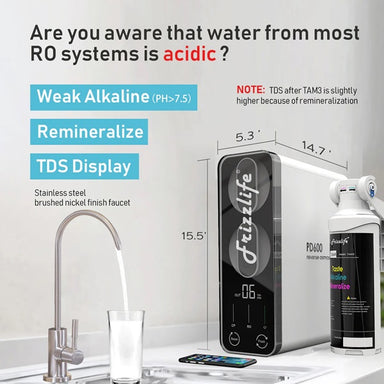
Compare purification with pH adjustment and learn how remineralisation can combine the benefits of RO with a more mineralised taste.
Read Article →Reverse Osmosis vs Water Softeners
Learn why RO systems and water softeners solve different problems and why some households choose to install both.
Read Article →Will Reverse Osmosis Soften Water?
Reverse osmosis can reduce calcium and magnesium at a single drinking water outlet, but it is not designed to protect an entire property from hard water and limescale.
Will Reverse Osmosis Soften Water?
Understand the difference between point-of-use RO filtration and whole-house ion-exchange water softening.
Read Article →Reverse Osmosis in Wastewater Treatment
Beyond domestic drinking water, reverse osmosis is used in wastewater recycling, desalination, manufacturing and commercial water treatment where high-purity water is required.
Reverse Osmosis in Wastewater Treatment
Explore how RO supports water reuse, contaminant reduction and high-purity treatment in industrial and environmental applications.
Read Article →Is Reverse Osmosis Right for You?
Reverse osmosis may be a strong choice when several of the following apply:
- You want a high level of drinking water purification
- You are concerned about dissolved contaminants
- You want to reduce bottled water use
- You prefer consistent taste and water quality
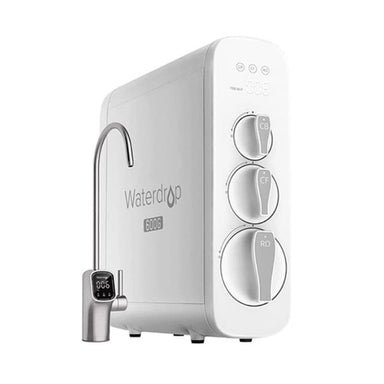
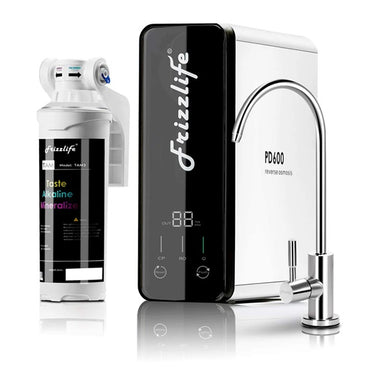
- You have space for an under-sink or countertop system
- You are comfortable replacing filters periodically
- You understand that RO is not a whole-house softener
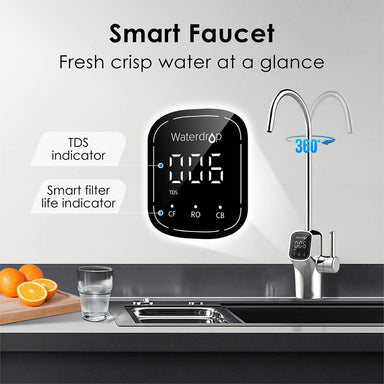
- You want optional remineralisation or smart monitoring
Need Help Choosing a Reverse Osmosis System?
Regal Flow offers impartial advice across under-sink, tankless and countertop reverse osmosis systems. Our team can help you compare filtration stages, flow rates, installation requirements and replacement filter costs.