Installing a water softener raises several practical questions, including where the unit should be positioned, whether it can be fitted without professional help and what plumbing or drainage connections are required.
This guide brings together clear installation advice covering placement, kitchen connections, drainage, DIY fitting and professional installation. It is designed to help you plan the work properly, avoid common mistakes and understand the decisions that should be made before choosing a system.
Installing a Water Softener: What You Need to Know
Before installation begins, it is important to understand the plumbing changes, available space, drainage requirements and ongoing access needed for salt refilling and servicing. Some homeowners choose a DIY installation, while others prefer a qualified plumber to complete the work.
Can You Fit a Water Softener Yourself?
Understand the tools, plumbing knowledge and practical steps involved in a DIY water softener installation.
Read Article →Can a Plumber Fit a Water Softener?
Learn what a plumber should handle, what to ask before booking and when professional fitting is the safer option.
Read Article →Where Should a Water Softener Be Installed?
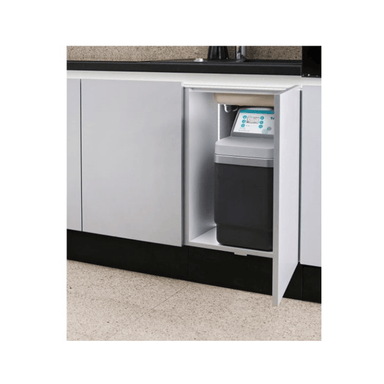
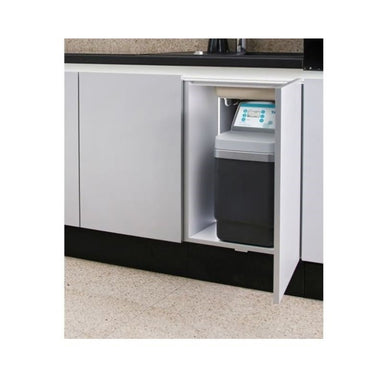
The correct location should provide access to the incoming mains water supply, a suitable drain, a power supply where required and enough room for salt refilling and future maintenance. A badly chosen position can make servicing awkward or increase installation complexity.
Where to Install a Water Softener
Compare common locations including kitchens, utility rooms, garages and under stairs cupboards.
Read Article →Where Is the Best Place to Put a Water Softener?
Explore the practical advantages and limitations of different installation positions around the home.
Read Article →Kitchen and Plumbing Considerations
Many homeowners want to know whether softened water should supply the kitchen tap and how the system should be connected to the rest of the property. The answer depends on personal preference, local guidance and whether a separate drinking water supply is being retained.
Does a Water Softener Go to the Kitchen Sink?
Understand common kitchen layouts, bypass arrangements and when a separate drinking water tap may be preferred.
Read Article →Planning the Main Water Connection
The softener should normally be connected near the incoming mains supply so the required outlets receive softened water.
Drainage and Waste Water Requirements
Every automatic water softener needs a suitable drain connection for regeneration waste water. The route must be secure, correctly positioned and protected against backflow. Poor drainage planning is one of the most common causes of installation delays.
Where Should a Water Softener Drain To?
Learn about acceptable drain points, air gap requirements and the practical issues that affect drain routing.
Read Article →Overflow and Regeneration Connections
Understand why the regeneration drain and cabinet overflow should be planned as separate safety requirements.
Water Softener Installation Planning Checklist
Reviewing the points below before buying a system can prevent unsuitable product choices, unexpected plumbing work and avoidable installation costs.
Before Installation
- Incoming mains position: confirm where the main water supply enters the property.
- Available space: measure the width, depth and height of the intended location.
- Drain access: identify a suitable waste connection for regeneration water.
- Overflow route: confirm where the cabinet overflow can discharge safely.
- Power supply: check whether the selected model requires a nearby socket.
- Water pressure: confirm that the incoming pressure is within the manufacturer’s operating range.
- Kitchen supply: decide whether the main kitchen drinking tap will remain unsoftened.
- Maintenance access: leave enough room for salt refilling and future servicing.
- Bypass arrangement: ensure the installation includes a practical way to isolate or bypass the softener.
- Installer requirements: confirm whether the manufacturer requires professional installation for warranty purposes.
Choosing the Right Water Softener
Once the installation requirements are clear, the next step is selecting a system that matches your household size, water hardness, available space and expected water use. Choosing purely on price can lead to poor capacity, frequent regeneration or an unsuitable physical size.
View Water Softeners for UK Homes
Compare water softeners designed for different household sizes, installation spaces and usage requirements.
View Water Softeners →Need Help Before You Buy?
Speak with Regal Flow for impartial guidance on sizing, placement and installation requirements.
Contact Regal Flow →Need Help Planning Your Water Softener Installation?
Our friendly team can help you choose the right water softener, advise on the best installation location and explain any plumbing or drainage requirements before you buy. While we don't provide installation directly, we can offer impartial advice and introduce trusted installers where available.