Reverse osmosis (RO) is one of the most effective methods of water purification available today. It is widely used to improve drinking water quality, remove harmful contaminants, and support specialist applications where water purity is critical.
This guide acts as a central hub for our in-depth reverse osmosis articles. From understanding what reverse osmosis removes to exploring real-world use cases, the resources below will help you decide when and where reverse osmosis is the right solution.
- What Is Reverse Osmosis?
- How Reverse Osmosis Works
- Where Reverse Osmosis Is Used
- Benefits & Key Considerations
- Reverse Osmosis Guides & Articles
What Is Reverse Osmosis?
Reverse osmosis is a filtration process that removes dissolved salts, metals, chemicals and impurities by forcing water through a semi-permeable membrane. It can remove particles as small as 0.0001 microns, making it far more effective than standard carbon filtration alone.
How Reverse Osmosis Works
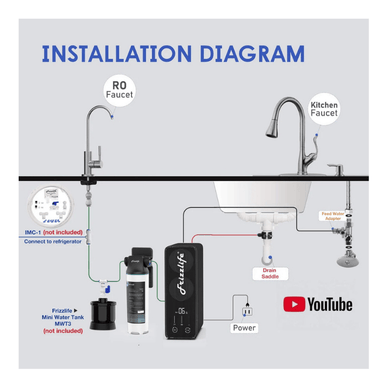
Most reverse osmosis systems use several filtration stages. These typically include sediment and carbon pre-filters to protect the membrane, followed by the reverse osmosis membrane itself, which removes the majority of dissolved contaminants.
System design, water pressure and membrane quality all influence performance, efficiency and waste water levels.
Where Reverse Osmosis Is Used
Reverse osmosis is used across a wide range of domestic and professional environments where water quality directly affects performance, taste or safety.
Common applications include drinking water purification, well water treatment, coffee and beverage preparation, laboratories, healthcare settings, window cleaning and specialist industrial processes.
Benefits & Key Considerations
Reverse osmosis offers exceptional contaminant removal and improved water taste, but it is important to consider factors such as mineral removal, water efficiency, maintenance requirements and installation space.
Understanding both the benefits and limitations ensures reverse osmosis is used where it delivers the greatest value.
Reverse Osmosis Guides & In-Depth Articles
Explore our detailed reverse osmosis guides below. Each article focuses on a specific question, comparison or use case to help you build a deeper understanding.
Continue Reading
Explore more expert guides covering reverse osmosis performance, contaminant removal, maintenance and everyday uses.